Origin story
Ethiopia
Every arabica plant on earth is descended from trees that still grow wild in these forests.

Where the plant is from
Coffea arabica is native to the montane forests of southwestern Ethiopia, and it still grows there without anyone planting it. Every arabica tree in Colombia, Kenya, Brazil and Java traces back to a handful of seeds that left this country centuries ago — which is why the rest of the coffee world is genetically narrow and Ethiopia is not.
That diversity has practical consequences in the cup. Ethiopian coffee is rarely sold as a named varietal, because the trees in a single smallholding may be dozens of distinct local types that nobody has catalogued. The trade calls them heirloom, which is less a botanical description than an admission that the variety here outruns the paperwork.
Gardens, not plantations
Most Ethiopian coffee comes from garden plots — a few hundred trees around a house, intercropped with enset, maize and shade trees, farmed by a household rather than a business. Holdings of half a hectare are ordinary. There is no mechanisation and very little irrigation; there is a family, a hillside, and a walk to the washing station.
Because a single farm produces too little to process alone, the washing station is the organising unit. Growers deliver cherry the same day it is picked and are paid by weight; the station pulps, ferments and dries the day's intake as one lot. The name on a bag of Ethiopian coffee is usually the station's, not a farm's.
Two ways to dry a cherry
Washed Ethiopians are the ones that taught a generation of drinkers that coffee could taste like tea: jasmine, bergamot, lemon, a light body and a clean finish. The fruit is stripped off within hours of picking, and what remains is the bean's own aromatic character with nothing laid over it.
Naturals take the other road. The whole cherry dries intact on raised beds for two or three weeks, turned by hand, and the fruit ferments around the seed as it goes. Done carelessly this tastes of compost. Done well it gives blueberry, strawberry and a syrupy weight that no other origin quite reproduces.
A country that drinks its own
Ethiopia consumes roughly half of what it grows, which is almost unheard of among producing countries and changes the economics entirely. Coffee here is not only an export crop; it is a daily domestic ritual with its own utensils, etiquette and hours.
For the export trade, the significant recent change is traceability. Coffee long moved through a central commodity exchange that pooled lots by region and grade, making a specific station impossible to name. Reforms opened a direct path for specialty lots, and the station-level transparency that specialty roasters depend on dates largely from then.
If you drink one origin to understand what the species is capable of before anyone starts optimising it, drink this one.
In the shop
Ethiopia on our shelf
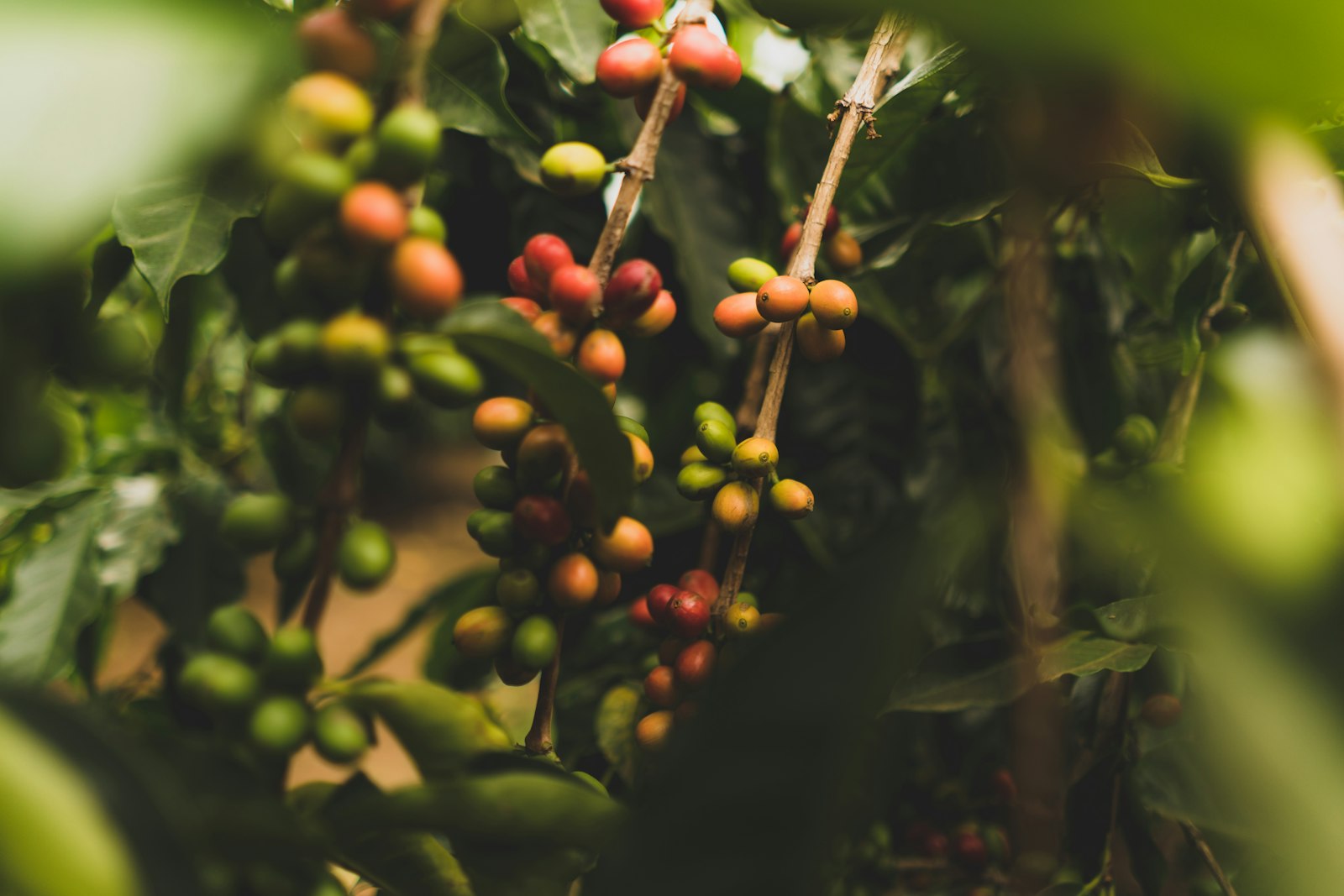 Example: An example to show how the shop will work — not on sale.
Yirgacheffe
14,50 €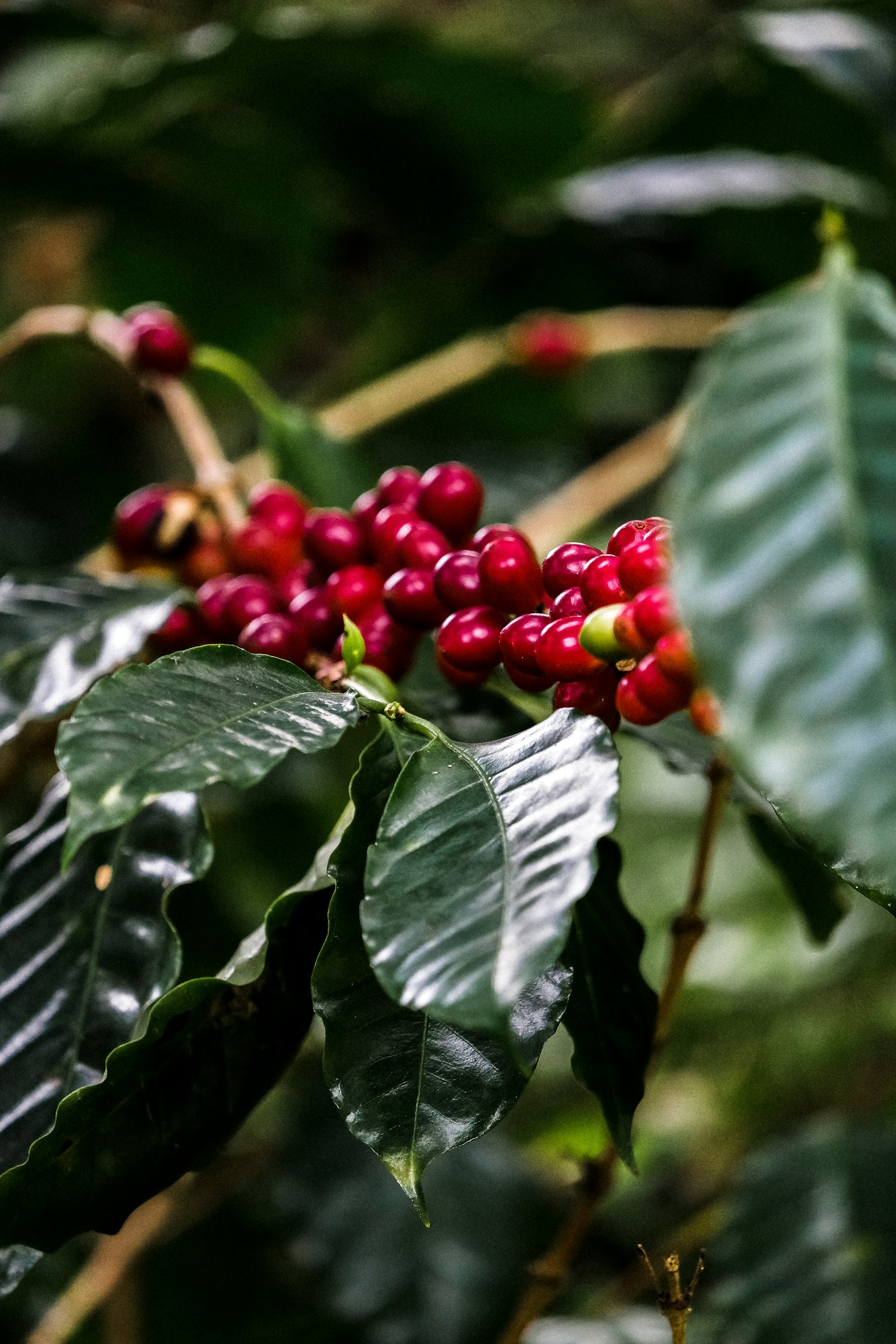 Example: An example to show how the shop will work — not on sale.
Sidamo
12,20 €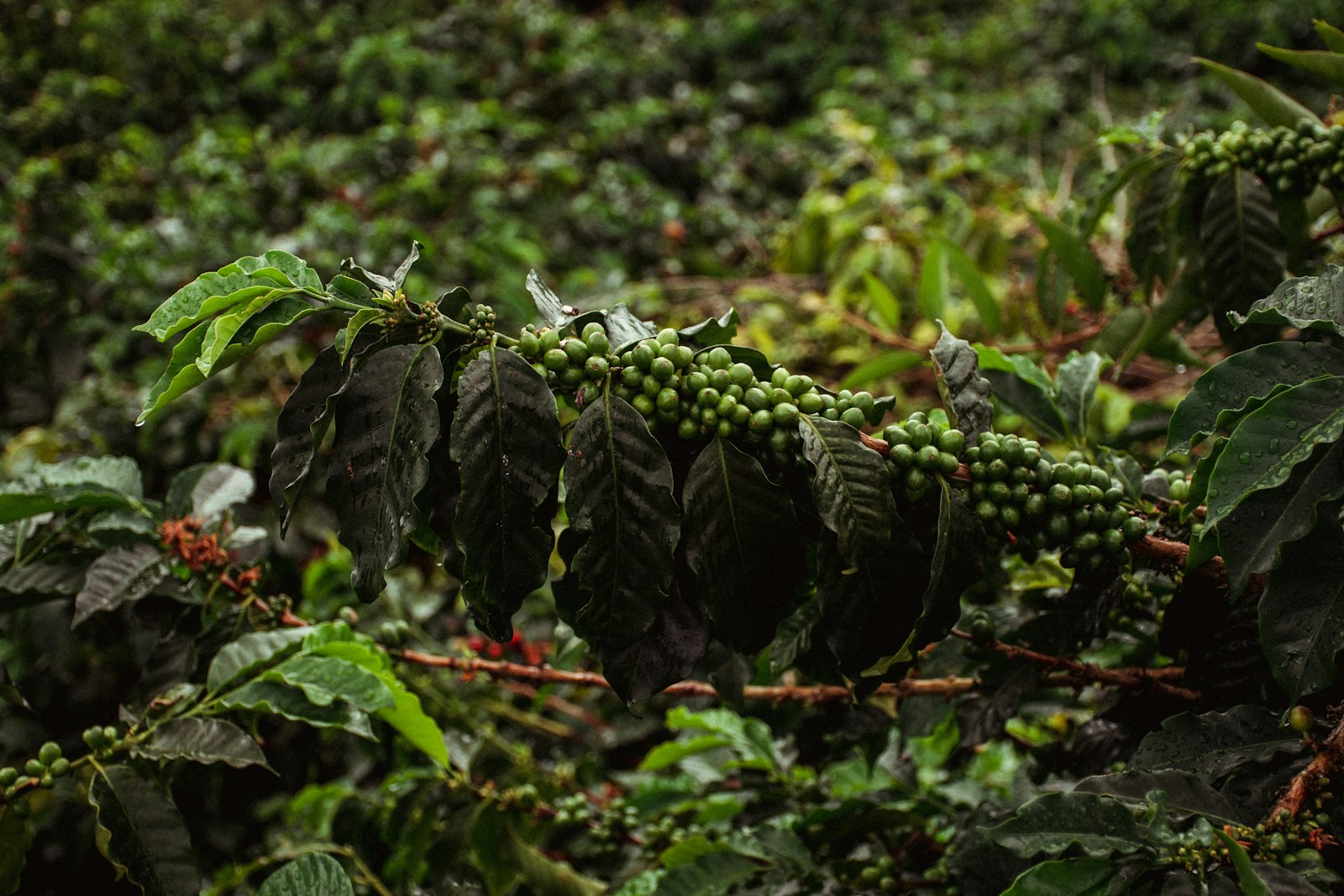 Example: An example to show how the shop will work — not on sale.
Kochere
28,00 €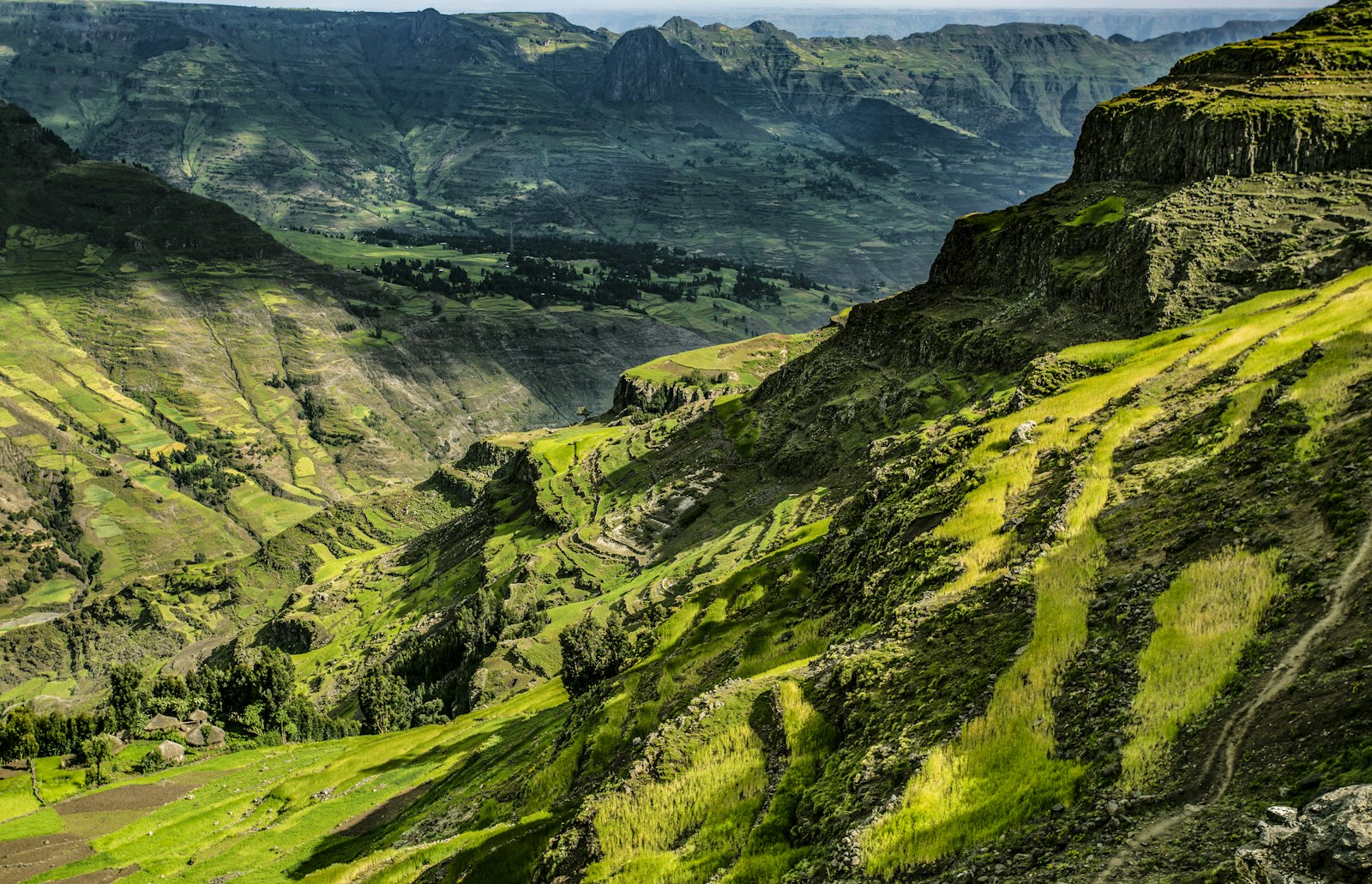 Example: An example to show how the shop will work — not on sale.
Bench Maji Gesha
32,00 €