Espresso · 7 min read
Espresso: the only brew with a target
Nine bars, thirty seconds and about eighteen grams. Everything hard about espresso happens before the water arrives.
The recipe
- Dose
- 18 g in the basket
- Yield
- 36 g in the cup
- Ratio
- 1:2
- Grind
- Fine — it should clump
- Temperature
- 92–94 °C
- Shot time
- 25–30 s from first drip
Three numbers, and only three
Espresso is the one brewing method with an actual target rather than a range of preferences: a dose in, a weight out, and a time. Everything else — pressure profiles, basket brands, tamper weight — is refinement on top of getting those three right and repeatable.
Weigh the dose and weigh the yield. A scale under the cup is the single upgrade that improves more shots than any machine costing ten times as much, because volume lies: crema volume varies with roast date and tells you nothing about how much coffee is in the cup.
Channelling is the enemy
Water under nine bars of pressure will find any weakness in the puck and run through it, leaving most of the coffee barely touched. That is channelling, and it is why one shot tastes thin and bitter at the same time — you are drinking the over-extracted channel and the under-extracted rest together.
The fixes are all about the puck, not the machine. Distribute the grounds evenly before tamping, tamp level rather than hard, and avoid knocking the portafilter after tamping, which cracks the puck you just built.
Grind is the only dial that matters day to day
Dose and yield stay fixed; you steer the shot with the grinder. Ran long? Grind coarser. Gushed in fifteen seconds? Finer. Change one thing at a time and pull again — chasing two variables at once makes the result unreadable.
Expect to adjust across a bag's life. Coffee degasses as it ages, and a setting that was perfect on day five will run fast by day twenty-five.
Fresh, but not too fresh
Espresso is the one method where very fresh coffee is a genuine problem. Carbon dioxide in a recently roasted bean disrupts the flow and gives a shot that gushes, tastes sharp and produces enormous pale crema. Most coffee is at its best for espresso somewhere between seven and thirty days off roast.
It also wants a grinder with flat or conical burrs and no other job. A blade grinder produces a mixture of dust and boulders, and dust plus nine bars is a blocked basket.
Step by step
- 01Flush the group head and wipe the basket dry.
- 02Dose 18 g and distribute it level — a needle tool or a gentle shake, not a thump.
- 03Tamp flat, with enough force to consolidate the bed and no more.
- 04Lock in and start the shot immediately; a hot basket stales the grounds.
- 05Watch for first drip at 5–9 seconds, then a steady tiger-striped stream.
- 06Stop at 36 g in the cup, between 25 and 30 seconds.
- 07Taste it black before adding anything. Adjust the grind, then pull again.
When it goes wrong
- Runs in under 20 s, sour
- Too coarse. Tighten the grind.
- Over 35 s, bitter and dark
- Too fine, or over-tamped. Coarsen.
- Sour and bitter at once
- Channelling. Fix distribution before touching the grind.
- Pale, foamy, huge crema
- The coffee is too fresh. Give it another week.
Brew this with
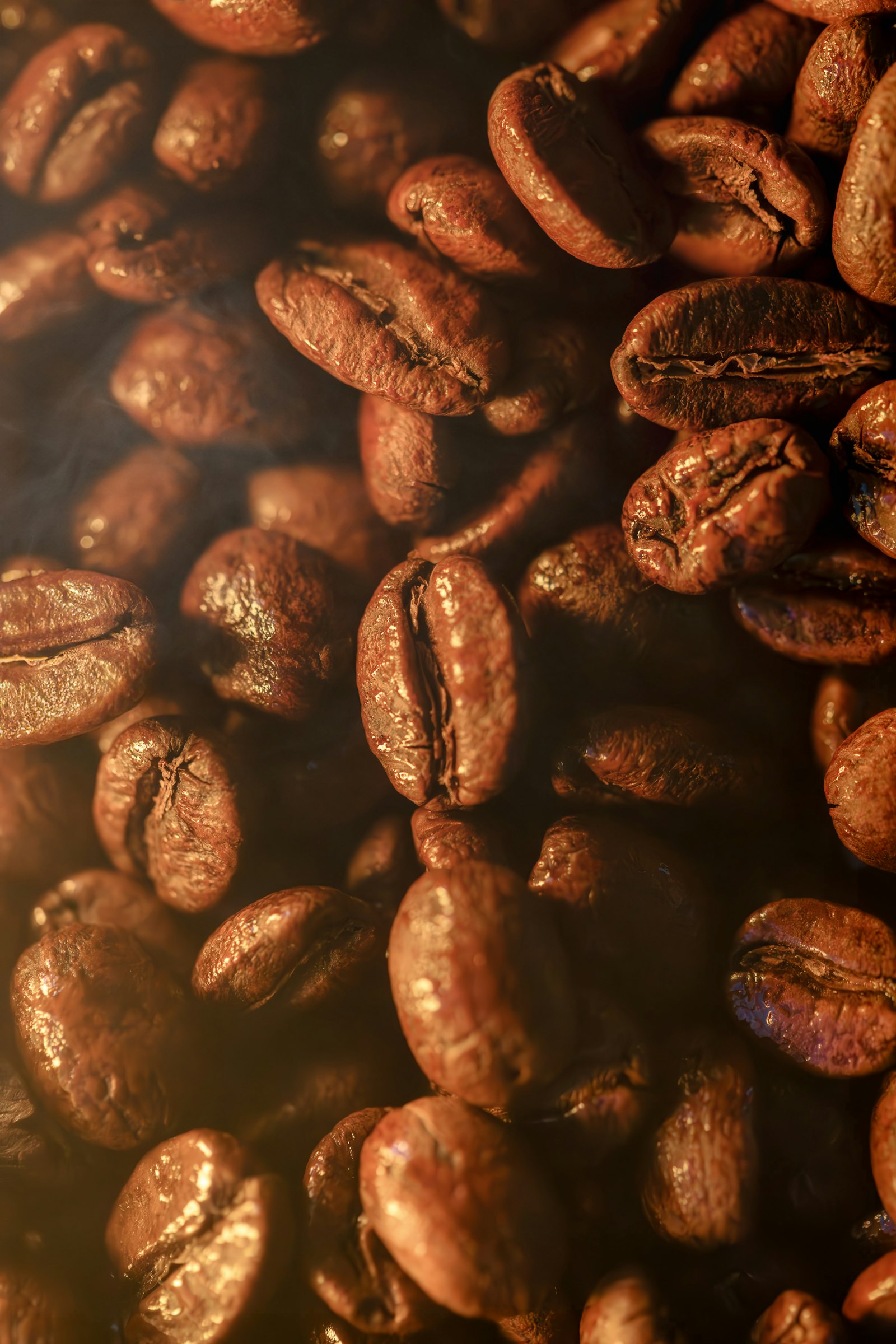
Sul de Minas
Example: An example to show how the shop will work — not on sale.Minas Gerais, Brazil · 12,90 €
A Brazilian natural is the classic espresso base — cocoa and hazelnut, low acidity, and a body that survives milk without disappearing.
See this coffee