AeroPress · 5 min read
The AeroPress is the one to travel with
Immersion, a paper filter and a push. Nearly impossible to ruin, and the most portable good cup there is.
The recipe
- Coffee
- 15 g
- Water
- 220 g
- Ratio
- 1:14.5
- Grind
- Medium-fine — slightly finer than filter
- Temperature
- 85–92 °C
- Total time
- 2:00
Two brewers in one tube
The AeroPress was designed in the mid-2000s by an engineer who also designed flying rings, which tells you most of what you need to know about its priorities: it is a solved problem, not an aesthetic object. Coffee steeps in a sealed chamber, then a plunger pushes it through a paper filter under gentle pressure.
That combination is unusual. Full immersion gives you an even, forgiving extraction where every particle sees the same water for the same time; the paper filter then takes out the oils and fines that would make a French press muddy. You get clarity without needing to pour well.
Why the water can be cooler
Immersion extracts more efficiently than percolation, and the AeroPress is usually brewed short. Both mean you can drop the temperature well below boiling without ending up sour — and cooler water pulls less of the bitterness that light roasts give up last.
Around 85 °C is a good starting point for a light roast, 90–92 °C for something darker. If you have no thermometer, boil, then wait a minute with the lid off.
Standard or inverted
The standard orientation drips a little while it steeps. Brewing upside down and flipping at the end stops that, at the cost of balancing hot coffee on a plunger over your hand. Both make excellent coffee, and the difference is smaller than the internet suggests.
Start standard. If you find yourself steeping longer than about ninety seconds and minding the drip, invert.
The press is the shortest part
Push slowly and evenly — twenty to thirty seconds for the whole plunge. Forcing it is how you get a seal blowing out sideways, and rushing extracts unevenly at the end.
Stop as soon as you hear the hiss of air. Pushing past it forces the last, most bitter liquid through and drops it straight into the cup.
Step by step
- 01Put a paper filter in the cap, rinse it, and screw it onto the chamber.
- 02Stand the chamber on a sturdy mug and add 15 g of medium-fine coffee.
- 03Pour 220 g of water at 85–92 °C, filling to the top.
- 04Stir gently three times and fit the plunger to seal the chamber.
- 05Steep for 1:30.
- 06Press slowly, taking 20–30 seconds, and stop at the hiss.
- 07Dilute to taste if you brewed it strong — this is a concentrate you can steer.
When it goes wrong
- Hard to press
- Grind too fine. Coarsen a notch — never force the plunger.
- Weak and flat
- Grind finer or steep 30 seconds longer.
- Harsh finish
- You pressed past the hiss, or the water was too hot.
- Leaks while steeping
- The cap is cross-threaded, or the seal is dry. Wet the rubber.
Brew this with
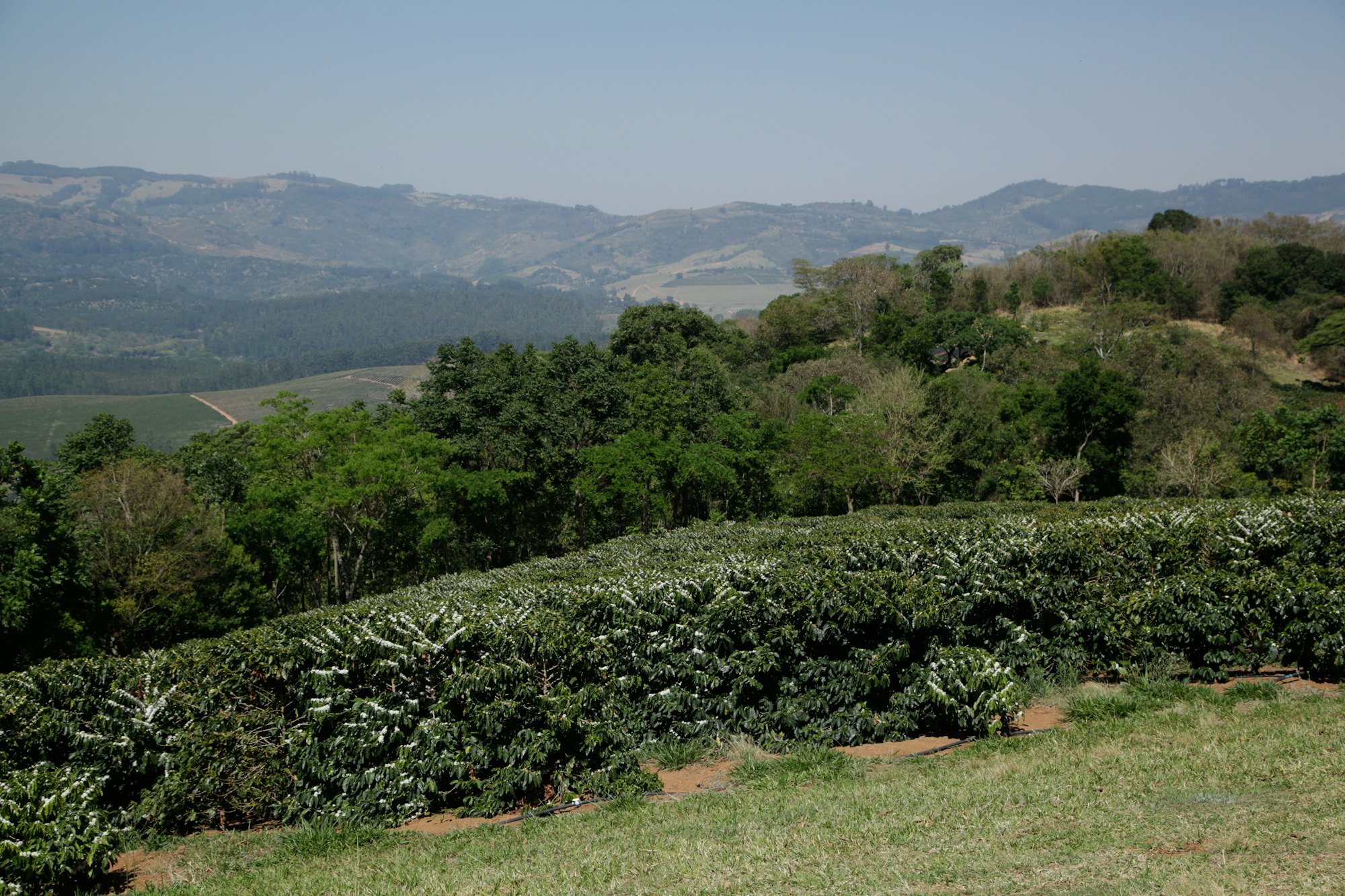
Kiambu
Example: An example to show how the shop will work — not on sale.Central Highlands, Kenya · 26,00 €
Kenyan acidity can be overwhelming in a cone. Immersion at a lower temperature rounds it into blackcurrant rather than a sharp edge.
See this coffee