Origin story
Kenya
The most structured coffee country in Africa, and the loudest cup on the shelf.
Two letters that changed the cup
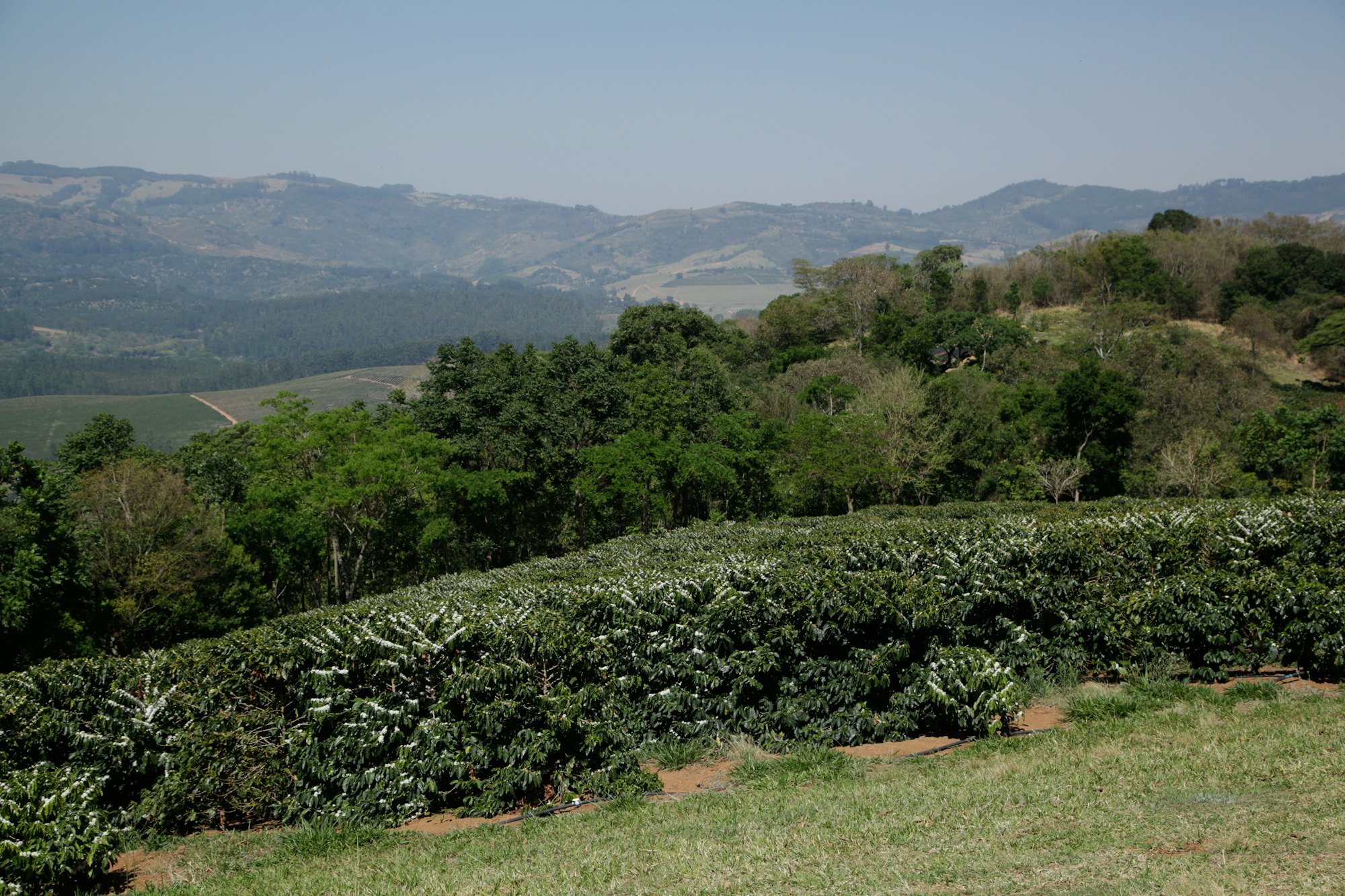
In the 1930s a research station near Nairobi selected a series of coffee trees for drought tolerance and yield, numbered them, and released two that turned out to do something nobody was aiming at. SL28 and SL34 produce an acidity so structured and so fruit-forward that they remain, ninety years later, among the most distinctive plants in commercial cultivation.
Newer varietals — Ruiru 11, then Batian — were bred for resistance to leaf rust and coffee berry disease, which are real threats here. Growers weigh a healthier tree against a quieter cup, and the best Kenyan lots still tend to be the old selections.
Factories and cooperatives
In Kenya a washing station is called a factory, and most of them belong to cooperative societies with hundreds or thousands of smallholder members. A member delivers cherry, it is weighed and graded on the spot, and payment follows when the lot sells — including a second payment once the season's accounts close.
Much of the crop is then sold through a weekly auction in Nairobi, where lots are cupped in advance and bid for by exporters. It is an unusually transparent price-discovery system for a producing country, and direct relationships have grown up alongside rather than replacing it.
The soak
Kenyan washed processing goes further than most. After fermentation the parchment is washed, graded in channels by density, and then soaked in clean water for a further period before drying. It uses a great deal of water and a great deal of labour.
What it buys is clarity. The acidity that SL28 is capable of only reads as blackcurrant rather than as sourness when the coffee underneath it is immaculately clean, and the soak is how that happens.
Reading a Kenyan bag
AA, AB and PB on a label are screen sizes, not quality grades — AA simply means the beans were large enough to stay on a particular sieve. Large beans often come from healthy trees and often cup well, which is how the letters acquired a reputation they were never meant to carry.
The flavours are unmistakable: blackcurrant, grapefruit, tomato, sometimes an almost savoury edge, and an acidity with real weight behind it. It is not a gentle coffee, and it rewards being brewed slightly weaker than you think.
If you have never understood what people mean by acidity in coffee, a good Kenyan will settle the question in one cup.
In the shop